Kilim Rugs 101: Everything You Need to Know Before You Buy
Posted by KAOUTAR TAKI

Kilim rugs reward buyers who understand construction. Photos can sell color and mood, but structure decides how the rug will wear, clean, and sit in the room. This kilim rug buying guide covers the fundamentals that matter most: flat-weave construction, warp and weft structure, regional origin, quality signals, and the role a handmade kilim rug can play in a living room, dining room, or hallway.
A kilim does not behave like a thick pile rug. It sits flatter, weighs less, and shows pattern with much sharper definition. That profile makes kilim rugs especially useful in high traffic areas, under dining chairs, and in layered spaces where a knotted pile rug would feel too heavy.
What is a kilim rug?
A kilim rug is a flat weave textile made on a loom without a raised pile. The weaver builds the pattern by passing colored weft threads through vertical warp threads rather than tying knots. Because the design comes from the weave itself, the surface stays light, reversible, and precise.
The category covers traditions from Turkey, Iran, the Caucasus, and parts of Central Asia. Many central asian and Anatolian examples use stronger geometric contrast, while Moroccan kilims often lean softer in palette and spacing. Turkish kilims, a Persian rug in flat-weave form, and Moroccan pieces all belong to the broader world of traditional rugs, but each school handles color, scale, and motif differently.
A handmade kilim rug feels more graphic than plush. Buyers choose it for line, rhythm, and flexibility rather than softness underfoot. In practical terms, a kilim can move easily from a bedroom to a living room, layer over a larger base, or sit cleanly beneath furniture without visual bulk.
How kilim rugs are made
The weaving technique is direct in principle and demanding in practice. The weaver stretches warp threads vertically on the loom, then passes weft yarns back and forth to build the field row by row. When the color changes, a new section of weft begins. That process creates the crisp geometry associated with kilim rugs.
This is also why the structure differs so clearly from a knotted pile rug:
- no raised pile to flatten
- visible front and back
- lower weight than many wool carpets
- sharper outlines in the pattern
- easier placement under tables, benches, and chairs
Some kilims use a weft facing structure, which means the weft yarns largely cover the warp threads on the surface. That detail helps explain the smooth face and graphic clarity many buyers notice immediately. Once you know that, the rug becomes easier to read with an expert eye.
Handmade kilim rug vs pile rug
A handmade kilim rug and a pile rug solve different design problems. A kilim works better when the room needs a flat profile, easier chair movement, and crisp geometry. A pile rug works better when insulation and softness matter more than definition.
That contrast is easiest to see in use. Under a dining table, a flat weave usually performs better because chairs slide without catching. In a hallway, kilim rugs stay visually light and practical. In a living room, many interiors combine both: a kilim as the base layer and a softer wool piece above it. Our guide on how to layer rugs like an interior designer shows that approach in real spaces.
How to spot an authentic kilim rug
An authentic kilim rug usually proves itself through construction rather than sales language.
Check both sides
Turn the rug over. Real kilim rugs show the design clearly from both sides because the pattern belongs to the weave, not to a printed surface or glued backing.
Study the fringe
On a real handmade kilim rug, the fringe normally continues from the warp threads. It should not read like an added trim.
Expect variation
Hand weaving leaves small shifts in spacing, line, and dye depth. Those changes are normal. Machine-made copies tend to look too even.
Ask about fiber and origin
A credible seller can explain the region, the wool, and whether the dyes are natural, synthetic, or mixed. Clear answers matter more than romantic product copy.
Read the price rationally
Large rugs that claim to be fully handmade and very cheap deserve scrutiny. Labor, wool quality, and provenance all shape the price.
Why Moroccan kilims remain relevant
Moroccan kilims keep their appeal because they adapt well to contemporary rooms. Their palette often feels calmer than many Turkish kilims, so the rug can introduce pattern without overwhelming the furniture. That balance works in interiors that mix modern upholstery with older wood, ceramics, or collected objects.
They also perform well in daily use. A handmade kilim rug can sit under a dining table, beside a bed, or in a hallway without adding too much thickness. In a layered interior, a rug pad under the base helps stability and keeps the arrangement cleaner over the long term. For styling ideas, see how to style a vintage kilim rug in modern spaces.
Three product options worth considering

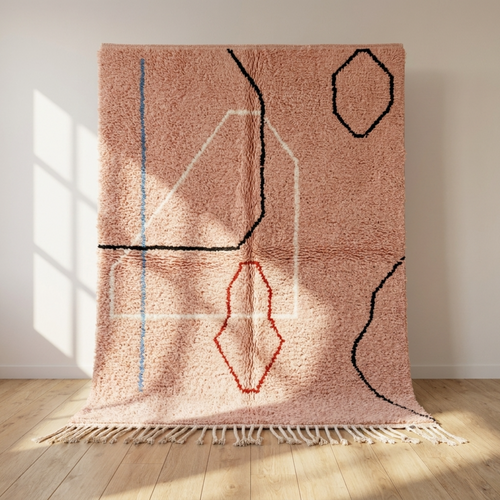
This piece is a solid starting point for buyers who need a neutral handmade kilim rug with enough pattern to anchor the room.

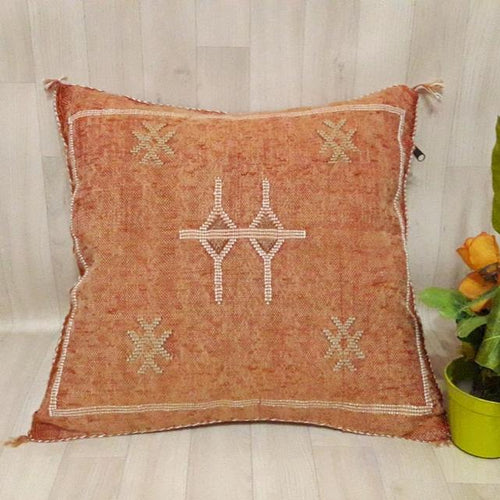
This option suits rooms that need more warmth and a more expressive palette.

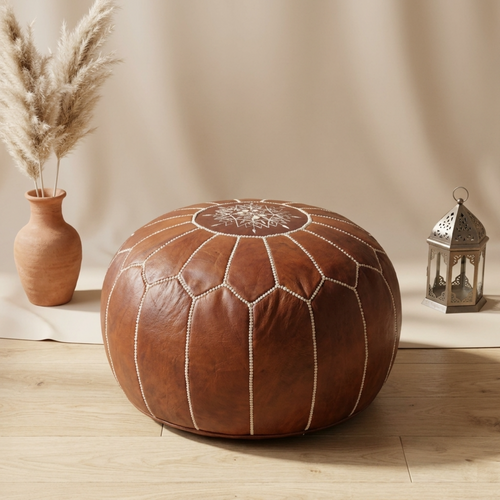
This piece is not a kilim, but it pairs well with kilim rugs in layered rug collections. Buyers comparing pile options can also read our Beni Ourain vs Azilal guide.
What affects the price?
Price reflects size, wool quality, dye work, weaving time, and provenance. A smaller kilim may be approachable, while a larger authentic kilim rug with strong design and documented origin will cost more for clear structural reasons.
A strong listing should explain where the rug came from, how it was made, and why the material quality supports the price. That level of detail matters more than decorative adjectives.
A short checklist before you buy
Before buying, ask five direct questions:
- Is the rug a flat weave rather than a knotted pile construction?
- Can the design be read clearly on both sides?
- Do the fringe and warp threads look structurally connected?
- Is the seller specific about fiber, dye process, and origin?
- Does the scale fit the room where the rug will actually live?
For broader context, Wikipedia's kilim overview and the Met's kilim collection search are useful reference points.
Final take
Kilim rugs make sense for buyers who value craftsmanship, clarity of pattern, and practical placement. The best examples show their structure openly. You can see the weave, the labor, and the design logic at a glance.
The core advice in this kilim rug buying guide is simple: learn the flat-weave structure, ask direct questions about origin, and match the rug to the room rather than to a trend. That approach usually leads to the better purchase.