Moroccan Home Decor Ideas for a Warm and Relaxed Interior
Posted by KAOUTAR TAKI

A warm room does not need to be crowded, and a Moroccan inspired room does not need to lean on clichés. The best Moroccan home decor feels layered, calm, and lived in. You notice texture first, then the glow of the light, then the way every handmade piece softens the space.
That mood comes together faster than most people expect. Start with a few core elements instead of reworking the whole room at once. A grounded rug, warmer lighting, tactile walls, and a couple of sculptural pieces can shift the room feel quickly. Moroccan interior design draws its strength from material nuance and atmosphere, so it suits homes that want comfort without slipping into bland minimalism.
Start with texture before color
The easiest way to create a warm interior is to layer texture. In Moroccan home decor, that often means wool, woven fibers, carved wood, hammered metal, and plaster finishes with subtle tonal variation. Even a neutral room feels richer when the surfaces have relief, grain, and irregularity instead of a flat showroom finish.
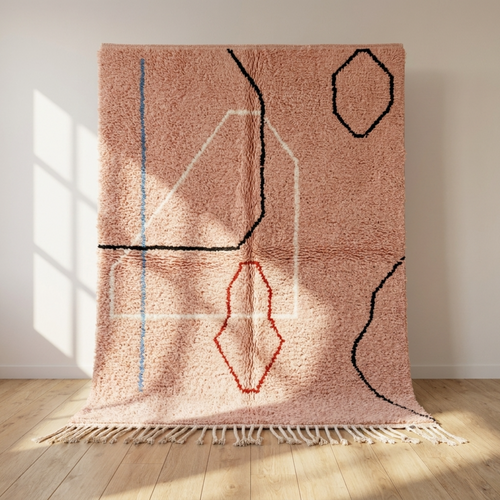
A wool rug is often the best first move because it changes the room from the ground up. It adds softness underfoot, breaks up hard flooring, and gives the furniture a place to land. If your space already has clean modern lines, a plush Moroccan rug brings in warmth without making the room feel heavy.

Keep the palette earthy and a little sun-faded
A warm relaxed interior usually reads best in quieter color palettes: sand, clay, ivory, tobacco, muted olive, soft terracotta, and warm brass. That does not mean everything has to match. It means the living space should feel sun warmed rather than sharp.
Moroccan interior design often gets its depth from contrast inside a restrained palette. A pale sofa gains definition beside a darker wood table or one of the lower coffee tables often used in Moroccan style salons.
A simple linen curtain feels more intentional near a textured wall. Pattern works best when it arrives through one or two pieces, not ten. A geometric rug, a carved lantern, or a single throw pillow can carry the decorative pressure without making the space feel busy.
This is also where traditional materials help. Zellige tile has slight variation from piece to piece, so it catches light in a softer way than machine-perfect surfaces. Tadelakt plaster is another strong reference for walls or bathrooms that need a smoother finish, more warmth, and less of that sterile new-build look.
Use lighting that glows instead of floods
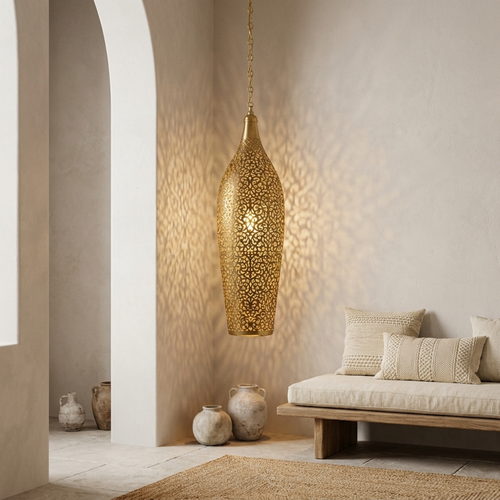
Overhead white light kills atmosphere faster than almost anything else. To create a warm, relaxed interior, shift the focus from brightness to glow. Moroccan lighting is especially good at this because pierced brass and handworked metal cast patterned light that makes living rooms feel more intimate.
One pendant with presence can do more than a row of forgettable fixtures. In a dining corner, bedroom, or reading nook, a warm brass piece gives you shape during the day and mood at night. Use warm bulbs, keep them dimmable if possible, and let the shadows become part of the room.

Mix comfort with one or two sculptural pieces
A warm relaxed interior should feel easy to use. The room needs comfort, not only styling. Low seating, a chair with visible craft, or a woven bench can give the room more personality than another generic accent piece.
Mix softer upholstery with one handmade frame or woven chair so the room keeps some structure. This is where Moroccan home decor works especially well in modern homes. The handcrafted pieces bring warmth, while the rest of the scheme can stay edited and architectural.

Let the room breathe
One mistake people make with Moroccan inspired rooms is adding too much. A better approach is to leave space around the pieces that matter. A rug, a pendant light, a chair, and a ceramic vase can carry the whole mood when the textures are right.
Take a cue from Moroccan architecture, where detail often sits beside quiet plaster walls, shaded courtyards, and clean geometry. That balance matters. The room should feel collected, not crowded.
Final thought
Build a warm and relaxed interior in layers: soft flooring, warm lighting, natural elements, and a few handmade forms with real presence. That is what gives Moroccan home decor its staying power. Any interior designer trying to create a warm room without visual noise can borrow from that logic. The look comes from North African craft traditions, but it still feels current in contemporary living rooms because it values texture, proportion, and ease over clutter.