Moroccan Area Rugs: Size, Color & Placement Guide
Posted by KAOUTAR TAKI

If you want a living room Moroccan rug that looks right, start with size before color. Most mistakes happen when people buy a rug that is too small, then try to fix the room with extra decor.
Moroccan area rugs work well because they bring texture, warmth, and visual interest. The right rug can anchor your sofa, frame the coffee table, and give the seating area a clearer shape.
This Moroccan rug size guide focuses on the three things that matter most: size, placement, and color.
Start with size, not pattern
In most living spaces, the rug should connect the seating area. A rug that only sits under the coffee table usually looks lost. A better rule is simple: place the front legs of the sofa and chairs on the rug. That one move often makes the room feel larger and more settled.
For a small living room, choose area rugs large enough to reach the front legs. For medium rooms, let the rug hold the coffee table plus the front legs of the main seats. For large rugs in open layouts, you can place more of the furniture on the rug and use it to separate the lounge from the dining area.
If the room is long and narrow, Moroccan runners can guide the eye without overwhelming the space.
Get Moroccan rug placement right
Good Moroccan rug placement should make the furniture look connected. In most rooms, the easiest layout is this:
- sofa front legs on the rug
- coffee table centered
- chairs either partly on the rug or close enough to feel included
Leave a visible border of floor around the rug when you can. That border keeps the room from looking crowded. If every edge touches furniture, the layout starts to feel heavy.
For a deep sofa or sectional, go bigger than your first instinct. People often buy one size down. That is why the rug ends up looking like an afterthought instead of the base of the room.
Choose color from the room you already have
Color should support the room, not fight it. If your sofa, art, or curtains already carry a lot of color, choose a quieter rug. Cream, sand, brown, faded charcoal, and black-and-ivory patterns usually work well in calm rooms.
If the room feels flat, the rug can become the statement piece. This is where Azilal rugs and vintage Moroccan rugs do well. They add vibrant color, movement, and visual interest, but they still feel warmer than many machine-made area rugs.
A simple test helps: look at the sofa, walls, and floor first. If those surfaces are already busy, keep the rug simpler. If they are plain, the rug can do more work.
Pick the right Moroccan rug style
Not every Moroccan rug does the same job.
Beni Ourain rugs suit quiet rooms, neutral palettes, and soft lighting. They work well when you want comfort, texture, and a clean look.
Azilal rugs suit rooms that need more energy. Their color and looser patterns can wake up a plain layout.
Vintage Moroccan rugs are a strong choice when you want warmth, age, and a room that feels lived in rather than staged.
Flatwoven kilims and Moroccan runners fit tighter layouts, under benches, beside beds, or in living spaces where a thick pile would feel bulky.
If you want more background on traditional weaving, this Berber carpet overview gives helpful context. If you are trying to create warmth without crowding the room, the balance seen in riad architecture is also a useful reference.
Mistakes that make good rugs look wrong
Most rug problems come from placement, not the rug itself.
- Too small: the coffee table sits on the rug, but the sofa floats outside it.
- Too busy: the rug, pillows, and wall art all compete at once.
- Too dark for the room: the rug absorbs light and makes a small room feel tighter.
- Too much distance: the rug sits far from the sofa, so the seating area breaks apart.
A good rug adds shape, not clutter. It should calm the room down, even when the pattern has personality.
Product picks for this look
If you want to turn the guide into a real shopping choice, these three options cover calm, flatwoven, and bold looks.

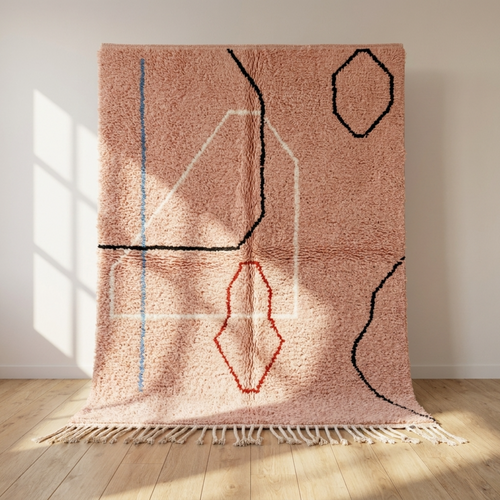
Use this one if you want a soft neutral base with easy placement around a sofa and coffee table.

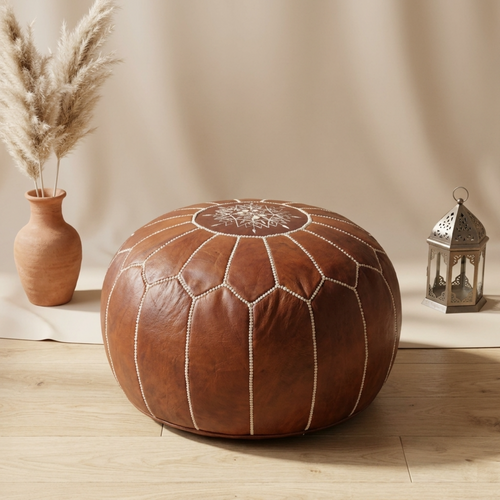
This is a good fit for smaller living spaces, layered rooms, or anyone who wants color without a heavy pile.

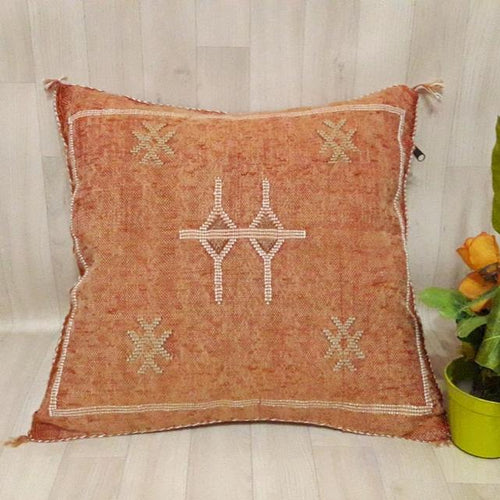
Pick this when you want stronger contrast and a clearer statement piece in the seating area.
Final thoughts
The best Moroccan area rugs do three jobs at once: they connect the front legs of the furniture, add warmth, and give the room a clear center. Start with size. Then fix placement. Then choose color.
That order makes shopping easier, and it helps you avoid the most common mistake: buying a beautiful rug that never quite fits the room.
If you want one quick rule to remember, buy the rug that makes the seating area feel complete, not the rug that only fills empty floor.