Understanding Rug Quality: Knot Count, Pile Height, and Material
Posted by AADIL ROUAY

Understanding Rug Quality: Knot Count, Pile Height, and Material
A high-quality rug is more than a decorative accessory—it’s an investment in comfort, design, and durability. Whether you’re furnishing a busy living area or selecting a statement piece for a quiet corner, understanding what makes a rug truly well-made is essential. Three factors play the most important role in determining rug quality: knot count, pile height, and material. These elements influence everything from how a rug feels underfoot to how long it lasts under daily use. By learning how to evaluate these characteristics, you’ll be able to choose a rug that offers both lasting beauty and reliable performance.
Knot Count and Durability When You Wool rugs buy

Knot count refers to the number of knots woven into one square inch of a rug. The higher the knot count, the more detailed and durable the rug generally becomes. Fine patterns, sharp lines, and intricate motifs are all signs of high-density weaving. Rugs with lower knot counts may appear simpler, but they often work well in relaxed spaces where softness and casual appeal matter more than crisp detailing.
When evaluating knot count, it’s also important to consider how the rug will be used. A higher knot count offers excellent resistance to wear in living rooms, hallways, and other high-traffic areas. Lower-density rugs are still beautiful but are often better suited for bedrooms or decorative spaces. Inspecting the back of the rug can give you a good sense of how tightly it has been woven—clear, well-defined knot structures usually signal superior craftsmanship.
Understanding Pile Height When You Vintage kilim rugs buy
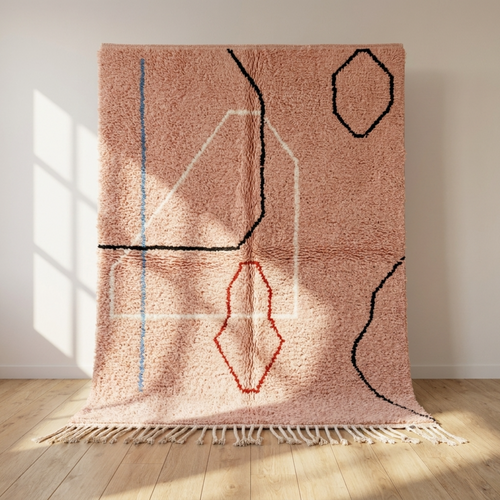
Pile height refers to the length of the fibers on the surface of a rug. It directly affects texture, comfort, and functionality. Low-pile rugs are typically firm, easy to clean, and ideal for high-traffic areas. High-pile rugs feel luxuriously soft and plush but may require more maintenance and are best for low-traffic zones.
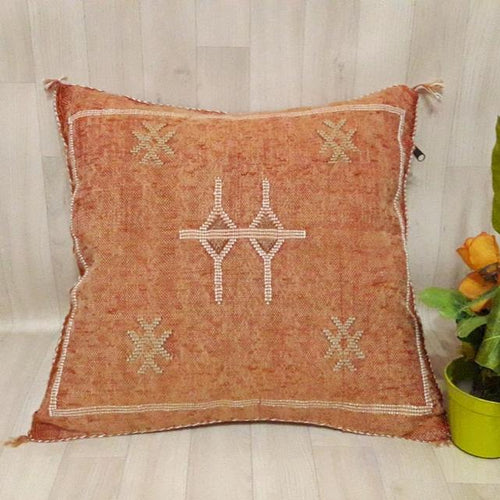
Flatwoven rugs, such as kilims, have no pile at all. Instead, they feature tightly interlaced fibers that create a smooth, lightweight surface. These rugs are exceptionally easy to maintain, resist trapping dust, and work beautifully in layered interiors. Because they sit flat against the floor, they are also practical for dining rooms and entryways where furniture movement is frequent. Understanding pile height ensures you choose a rug that aligns with your lifestyle, comfort preferences, and design needs.
How Rug Material Affects Value When You Handmade Moroccan wool rug buy

Material is perhaps the most influential factor in overall rug quality. Natural fibers such as wool, cotton, and silk each offer unique performance advantages. Wool remains the most popular rug material due to its durability, natural stain resistance, softness, and long lifespan. It also holds color exceptionally well, ensuring that rich patterns stay vibrant for years.
Silk rugs are prized for their stunning sheen and fine detail, but they are far more delicate and best suited for low-traffic areas or wall display. Cotton is more affordable and lightweight but lacks the longevity of wool. Blended materials may offer cost savings but often sacrifice durability.
The material also influences insulation, sound absorption, and comfort. Wool rugs buy naturally regulate temperature and reduce noise, making them ideal for busy family homes. Selecting the right fiber ensures that your rug performs as beautifully as it looks.
How to Evaluate Rug Quality Before Buying
Evaluating quality requires more than visual appeal. Begin by checking the rug’s backing—tight, evenly spaced knots indicate superior construction. Examine the edges for clean, reinforced binding that prevents fraying. The design should appear sharp from both the front and the back, without blurring or loose threads.
Weight is another important indicator. High-quality rugs usually feel heavier due to dense fibers and strong foundations. Flexibility also matters; a good rug should bend easily without feeling stiff or brittle. Finally, consider the dye process. Naturally dyed rugs tend to age more gracefully, developing character rather than fading unevenly over time.
From a styling perspective, quality rugs elevate entire rooms. Thoughtfully selected rugs can even serve as cozy focal points, much like the design strategies outlined in 7 Ways to Warm Up Your Home with Handcrafted Rugs & Decor, where texture and placement dramatically influence atmosphere.
Maintenance and Longevity of High-Quality Rugs
Even the finest rug requires proper care to preserve its beauty. Regular vacuuming removes dust and debris before they become embedded in the fibers. Rotating the rug every few months prevents uneven wear and fading from sunlight. Immediate attention to spills is essential—blotting moisture quickly helps prevent permanent staining.
Professional maintenance also plays a key role in longevity. Resources such as Cleaning & Repairing Handcrafted Rugs offer valuable insight into stain removal, fiber-safe cleaning methods, and repair techniques that extend a rug’s life without damaging its structure. For homes with constant foot traffic, following guidance similar to How to Care for Handmade Rugs Under Heavy Use helps ensure that even frequently used rugs age gracefully without excessive wear.
Why Understanding Rug Quality Leads to Better Long-Term Value
Many buyers focus only on appearance when selecting a rug, but true value lies in craftsmanship. A well-made rug doesn’t just enhance a space—it delivers years of performance, comfort, and visual consistency. Lower-quality rugs may look appealing at first, but they often shed, fade, or flatten within a short time.
By understanding knot density, pile height, and fiber composition, you gain the confidence to assess a rug beyond surface beauty. This knowledge also protects your investment, ensuring you select a piece that withstands daily life while continuing to elevate your interior design.
Final Thoughts on Choosing a High-Quality Rug
Rug quality is built on three essential pillars: precise knotting, appropriate pile height, and premium material selection. When these elements align, the result is a rug that not only looks stunning but also performs exceptionally well over time. Whether you’re furnishing a family living room, adding warmth to a bedroom, or enhancing a dining area, understanding these fundamentals ensures your choice remains both beautiful and functional for years to come.
A thoughtfully chosen rug doesn’t just complete a room—it transforms it with texture, warmth, and timeless character.