How to Remove Stains from Wool Rugs Without Damage
Posted by AADIL KHAN

Introduction: How Fragile Wool Rugs Are
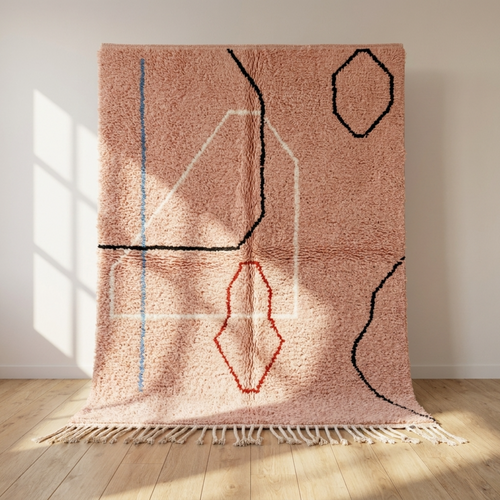
People love wool rugs because they are hand-made, look good forever, and feel soft underfoot. Their natural fibers keep warmth and style, whether they have bright tribal patterns or simple weaves. But they also need to be handled with care, especially when spills or stains happen. Cleaning the wrong way can hurt fibers, remove natural oils, or even make colors fade permanently. If you love your handcrafted rugs or have a beautiful handmade Moroccan wool rug, knowing how to remove stains correctly is the key to keeping them looking good and lasting a long time.
1. Knowing about wool fibers before cleaning
Before you start getting rid of stains, you should know why wool needs special care. Wool is a natural material that has lanolin on it, which makes it soft to the touch and a little water-resistant. This protective layer stops stains from setting in quickly, but harsh cleaners can take it off. What you should remember is Always pick cleaning products that are gentle and don't change the pH. Lanolin keeps your wool rugs strong, colorful, and long-lasting. Handcrafted rugs are made from unique, untreated fibers, so harsh chemicals and rough rubbing can change the weave permanently.
2. Figure out what kind of stain it is before you start
Not all stains are the same. The first thing to do is figure out where the stain came from, like food, wine, dirt, or pets. You need to treat organic stains, like coffee or juice, differently than oily or protein-based stains. Before you use any cleaning solution on a rug, always test it on a small, hidden area first to make sure the color stays the same. The goal is to gently lift the stain without spreading it. When working with specialty items like a handmade Moroccan wool rug, it's important to know the dye and texture of the material before using any liquid-based solutions.
3. Move Quickly: Why Time Is Important for Wool Rugs
When it comes to cleaning wool rugs, timing is everything. The longer a spill sits, the deeper it gets into the fibers, which makes it harder to clean up. Use a clean white cloth to blot up spills right away. Don't rub, as this can spread the stain or damage delicate fibers. Dabbing pressure that is firm helps the liquid soak in better. Quick action keeps the color from fading and keeps the strength of the fibers. Don't scrape the stain if it's dry. Instead, dampen it a little bit again before cleaning to loosen the particles.
4. Cleaning Solutions That Are Gentle Safe for Rugs Made by Hand

Commercial cleaners often have strong surfactants that damage the natural oils in wool. To clean at home, mix cold water, mild dish soap, and white vinegar in a safe way (one teaspoon of soap and one tablespoon of vinegar for every cup of water). This blend works well on most organic stains. Soak a microfiber cloth in the solution, wring it out, and then lightly dab the area that is stained. Then, use plain water to blot away any soap residue. Never soak your Handcrafted rugs because wool fibers expand when wet and can bend when they get too wet.
5. Getting rid of common stains on wool rugs
To get rid of different stains, you need to do different things:
-
Red wine or juice: Use white vinegar and cold water to neutralize the color. Wash with plain water and then dry with a towel.
-
Mix warm water (not hot) with a drop of dish soap, apply gently, and dry quickly.
-
Pet Accidents: Use enzyme-based cleaners that say they are safe for wool to get rid of smells and bacteria.
-
Mud or soil: Let it dry completely, then vacuum up any loose dirt and clean it gently with a damp cloth.
-
No matter what kind of stain it is, the most important thing is to rub it as little as possible and dry it right away. To keep your wool rugs from getting damaged, be patient and don't rush the cleaning process.
6. How to take care of a handmade Moroccan wool rug
A handmade Moroccan wool rug is often dyed with vegetable-based dyes and has thick weaves, which make it sensitive to long periods of moisture. You should never soak these rugs in water or clean them with steam at home. Instead, use cold water and a soft cloth to clean up small stains. Don't use too much vinegar because it can make natural dye colors lighter. Professional cleaners who know how to clean Moroccan textiles make sure that colors and wool fibers stay intact for deep or long-lasting spots. With the right care, they will keep their rich shape and handmade feel for decades.
7. Ways to dry things so that the fibers don't shrink
After getting rid of the stain, it's important to dry the fabric properly to keep it from shrinking or getting mildew. Use a white towel to get rid of any extra moisture, and then let the rug air dry in a place with good air flow. Don't let direct sunlight hit it, because it can make the colors fade or become uneven. Do not hang heavy wool rugs vertically. The water's weight may stretch and change their shape. When drying handcrafted rugs, putting a soft towel underneath them can help soak up moisture and protect your floors.
8. Tips for brushing and restoring texture
When the rug is completely dry, use a soft-bristle brush or a brush made just for rugs to lightly brush its pile. This step puts the fibers back in their natural direction and loft. Brushing every day also gets rid of dust that sticks to the surface after cleaning. Gentle brushing brings back the original richness of the texture for thicker weaves like a handmade Moroccan wool rug. Don't use a strong vacuum right after cleaning; wait until the rug has returned to its natural shape before using a low-suction setting.
9. Stopping stains and damage from happening in the future
The best way to get better is to avoid getting sick. Regularly vacuuming helps keep dirt from building up, which can make colors look dull and attract stains. Every six months, turn the rugs so that foot traffic is spread out evenly. Putting mats near doorways also helps keep debris under control. For extra protection, think about getting professional wool-safe stain-resistant treatments made for Handcrafted rugs. Layering a neutral under-rug pad adds grip and protects delicate fibers from wear in areas with a lot of foot traffic or dining. Keep in mind that with wool rugs, regular light cleaning is better than deep cleaning every now and then.
10. When to hire a professional cleaner
Sometimes, taking care of things yourself isn't enough. If you have stains that won't come out, smells that won't go away, or dye that is clearly bleeding, you should call a professional rug cleaner. Choose professionals who are good at cleaning handmade rugs and textiles made from natural fibers. They use special treatments that are safe for color and pH levels that are made for wool. Professionals can also deep clean without getting too much water on the fibers or hurting them. This is especially important for collections of antique and handmade Moroccan wool rugs. Having a professional service your rugs every 12 to 18 months keeps them looking like new and makes them last longer.
Conclusion: Keeping Wool Rugs Beautiful for Years to Come
Cleaning stains off of wool rugs doesn't have to be hard. All you need is time, knowledge, and the right method. Taking care of a handcrafted rug is a way to show respect for the work that went into making it. Each fiber represents effort, art, and tradition. Gentle cleaning methods will keep your heirloom Handmade Moroccan wool rug looking beautiful and last for a long time, whether you're cleaning up spills every day or just once in a while. If you take care of your rugs, they can stay bright, soft, and free of damage for years to come. They will add warmth and beauty to your home.