Berber Rugs: The Ultimate Guide to History, Meaning, and Style
Posted by KING OF HANDMADE

Berber Rugs: History, Meaning, and Modern Home Use
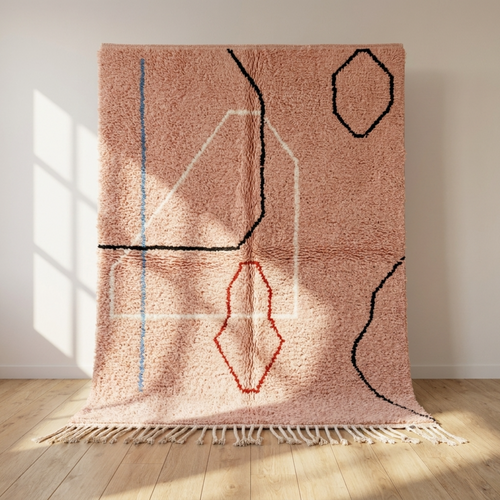
Berber rugs are more than just floor coverings; they are woven diaries of the Amazigh people, preserving centuries of tradition within every knot. Stepping onto one of these masterpieces feels like connecting with the rugged, soulful landscape of the Moroccan Atlas Mountains.
For interior designers and homeowners alike, these textiles offer a rare combination of history and modern versatility. They bring warmth to minimalist spaces and grounding texture to eclectic homes.
The allure lies in their imperfection. No two rugs are ever exactly the same. The slight variations in pattern and the natural hues of the wool tell the story of the weaver’s life.
Whether you are looking to anchor a living room or add softness to a bedroom, authentic Berber rugs serve as the perfect foundation for high-end design. Let us journey into the heart of this ancient craft.
The Rich History and Symbolism of Berber Rugs
To truly appreciate these pieces, one must understand their origins. The term "Berber" refers to the indigenous people of North Africa, who call themselves Amazigh, meaning "free people."
For millennia, Amazigh women have passed down the art of weaving from mother to daughter. This is not a hobby; it is a vital part of their cultural identity. The loom is treated with the same reverence as a living being.
Historically, these rugs were not made for commercial sale. They were woven for domestic use. They served as sleeping mats, saddle blankets, and protection against the bitter cold of the high Atlas Mountains.
The Language of Symbols
A handmade Berber carpet is essentially a canvas. Because the Amazigh culture was largely oral for centuries, women used weaving to record their stories.
Every geometric shape holds a specific meaning. You are reading a story when you look at the patterns.
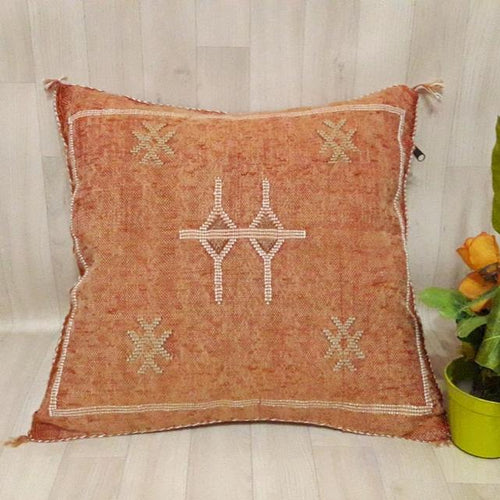
For example, the lozenge (diamond shape) often represents a woman or fertility. It is considered an eye that watches over the family, protecting them from bad luck.
Chevrons might represent the path of life or the rugged mountain terrain. Triangles can symbolize the female form or the concept of the family unit.
"When you place a Berber rug in your home, you are not just decorating. You are inviting a story of fertility, protection, and nature into your sanctuary."
Colors also hold significance. In older, traditional rugs, dyes were made from natural spices, roots, and berries. Saffron created yellow, henna made red, and indigo provided deep blues.
White, the color of undyed wool, represents purity and peace. It is the color of the beginning.

Distinguishing the Different Styles of Berber Rugs
Not all Berber rugs are the same. The style changes drastically depending on the tribe and the region where the rug was woven. The climate dictates the weave.
In the higher, colder altitudes, rugs have a thick, high pile to provide insulation. In the lower, warmer plains, the weave is tighter and flatter.
The Beni Ouarain
This is perhaps the most famous style in Western interior design. Hailing from the Middle Atlas region, the Beni Ouarain rug is known for its thick, shaggy pile.
They are traditionally double-knotted using high-quality undyed wool. The aesthetic is almost always a creamy white background with abstract black or brown geometric lines.
Their popularity in mid-century modern design is legendary. Architects like Le Corbusier championed them for their ability to soften stark, modernist lines.

The Azilal
If the Beni Ouarain is the minimalist, the Azilal is the artist. Originating from the Azilal province in the High Atlas, these rugs combine wool with cotton.
They are thinner than the Beni Ouarain but much more vibrant. They feature a single knot and often display chaotic, joyful bursts of color.
An Azilal is perfect for a creative space or a child's room. It feels alive and spontaneous.

The Boucherouite
The Boucherouite is a testament to Amazigh ingenuity. In areas where wool was scarce, weavers used recycled textiles.
Old clothing, cotton scraps, and even nylon are torn into strips and woven into magnificent, colorful carpets. These are "rag rugs" elevated to high art.
They are incredibly durable and easy to wash. They bring a bohemian, eco-friendly vibe to any space.
| Rug Style | Material | Texture & Pile | Best Design Aesthetic |
|---|---|---|---|
| Beni Ouarain | 100% Undyed Sheep Wool | High pile, plush, shaggy | Minimalist, Scandi, Modern |
| Azilal | Raw Wool & Cotton | Medium pile, softer drape | Bohemian, Artistic, Eclectic |
| Boucherouite | Recycled Fabric Scraps | Varied texture, heavy | Playful, Rustic, Eco-conscious |
| Kilim (Hanbel) | Fine Wool or Silk | Flatweave, no pile | Summer homes, High traffic |
The Art of Production: From Sheep to Loom
The creation of a Moroccan Berber rug is a labor of love that can take weeks or even months. It begins with the sheep.
The wool is sheared, usually in the spring. It is then washed thoroughly in local rivers to remove natural oils and dirt. This connection to the water purifies the material.
Once clean, the wool is carded and spun by hand. This process turns the raw fleece into strong yarn. The spinning is done using a simple wooden spindle.
If the rug is to be colored, the dyeing process happens next. While synthetic dyes are common now, high-end artisans still use natural pigments.
The weaving itself is a rhythmic, meditative process. The loom is set up vertically. The weaver sits in front of it, knotting strand after strand.
There is no written pattern to follow. The design exists entirely in the weaver’s mind. This is why the asymmetry of these rugs is so prized.
How to Identify an Authentic Handmade Berber Carpet
With the rise in popularity of Moroccan decor, the market is flooded with machine-made imitations. Distinguishing a real masterpiece from a factory copy is essential.
First, look at the back of the rug. A handmade rug will have a soft, pliable backing where the knots are clearly visible. It should not be perfectly uniform.
Machine-made rugs often have a glued-on backing or a stiff plastic mesh. They feel rigid and lifeless.
Next, inspect the fringe. In a Moroccan Berber rug, the fringe is the end of the warp threads. It is part of the rug's structure.
In fake rugs, the fringe is often sewn on afterward. Tug gently on the fringe; it should feel continuous with the body of the rug.
Smell the rug. Authentic rugs smell like wool. It is a natural, slightly animalistic scent that fades over time. If it smells like chemicals or plastic, walk away.
Finally, check for the "burn test" if possible. Snip a tiny fiber. Wool burns slowly and smells like burnt hair. Synthetic fibers melt and smell like burning plastic.
Styling Berber Rugs in Modern Interiors
The versatility of Berber rugs is unmatched. They act as a neutral ground that allows other design elements to shine. Yet, they have enough character to stand alone.
The Living Room Foundation
In a living room, size matters. The rug should be large enough that at least the front legs of your sofa sit on it. This anchors the furniture.
A large, cream Beni Ouarain pairs beautifully with leather sofas. The texture of the wool softens the sleekness of the leather.
For a more daring look, use a colorful Azilal. Pull colors from the rug to choose your throw pillows or wall art. This creates a cohesive, curated look.
Bedroom Sanctuary
Your bedroom should be a place of rest. Stepping out of bed onto a plush wool cloud is the ultimate luxury.
Place the rug partially under the bed. It should extend out on the sides and the foot. This frames the bed and adds visual warmth.
Stick to calming patterns. Simple diamonds or subtle lines work best here. Avoid overly chaotic colors that might disrupt relaxation.
Hallways and Corridors
Hallways are often neglected spaces. A long, narrow runner can transform a sterile corridor into a gallery.
Because hallways are high-traffic areas, consider a flatter weave or a darker pattern. This hides footprints and wear better than a high-pile white rug.
"Pro Tip: Layering is a designer's secret weapon. Place a smaller, colorful vintage rug on top of a larger, neutral jute rug. This adds depth and defines zones within a room."
Maintenance and Care for Your Investment
A handmade rug is built to last a lifetime, but it requires respect. Wool is a self-cleaning fiber, rich in lanolin, which naturally repels dirt.
However, you must clean it correctly. Avoid harsh vacuuming with a beater bar. The rotating brush can pull out the knots and damage the pile.
Instead, use the suction-only attachment. Vacuum slowly and in different directions to lift dust from the base.
Every few months, take the rug outside. Hang it over a railing and beat it gently with a broom handle. You will be amazed at how much dust is released.
Let it air out in the sun for a few hours. The UV rays help kill bacteria and refresh the wool. But do not leave it out for days, as the colors may fade.
If you spill something, act fast. Blot, do not rub. Use a clean white cloth and a little water. For tough stains, consult a professional cleaner who specializes in wool.
Frequently Asked Questions
Why is my new Berber rug shedding?
Shedding is completely normal for a new wool rug. It is not a sign of poor quality; in fact, it indicates the use of natural, staple fibers. This "fluff" is just loose fibers working their way to the surface. With regular, gentle vacuuming, the shedding will subside after a few months.
Can I use a Berber rug in a high-traffic area?
Yes, absolutely. Wool is an incredibly resilient material. It has a natural elasticity that allows it to bounce back after being walked on. However, for entryways or hallways, you might prefer a lower pile or a flatweave style, as these trap less dirt and are easier to shake out than high-pile shaggy versions.
Are vintage Berber rugs better than new ones?
It depends on your preference. Vintage rugs often have softer, mellowed colors and a unique patina that can't be replicated. They carry history. New rugs, however, can be custom-made to your specific size requirements and will have a brighter, fresher appearance. Both hold incredible value if they are handmade.
Conclusion
Integrating Berber rugs into your home is an investment in art, history, and comfort. These pieces transcend trends. They have survived for centuries in the Atlas Mountains, and they will endure in your home for decades.
They bring a human touch to a digital world. The slight irregularity of a line, the unexpected change in color—these are reminders of the hands that wove them.
As you curate your space, remember that you are preserving a legacy. You are keeping a culture alive.
If you are ready to find the piece that speaks to your soul, explore our selection of authentic handmade Berber carpet options. Let the warmth of Morocco transform your living space today.